
Against the Odds: HiAOOS Buoy Recovered After a Year Adrift in the Arctic
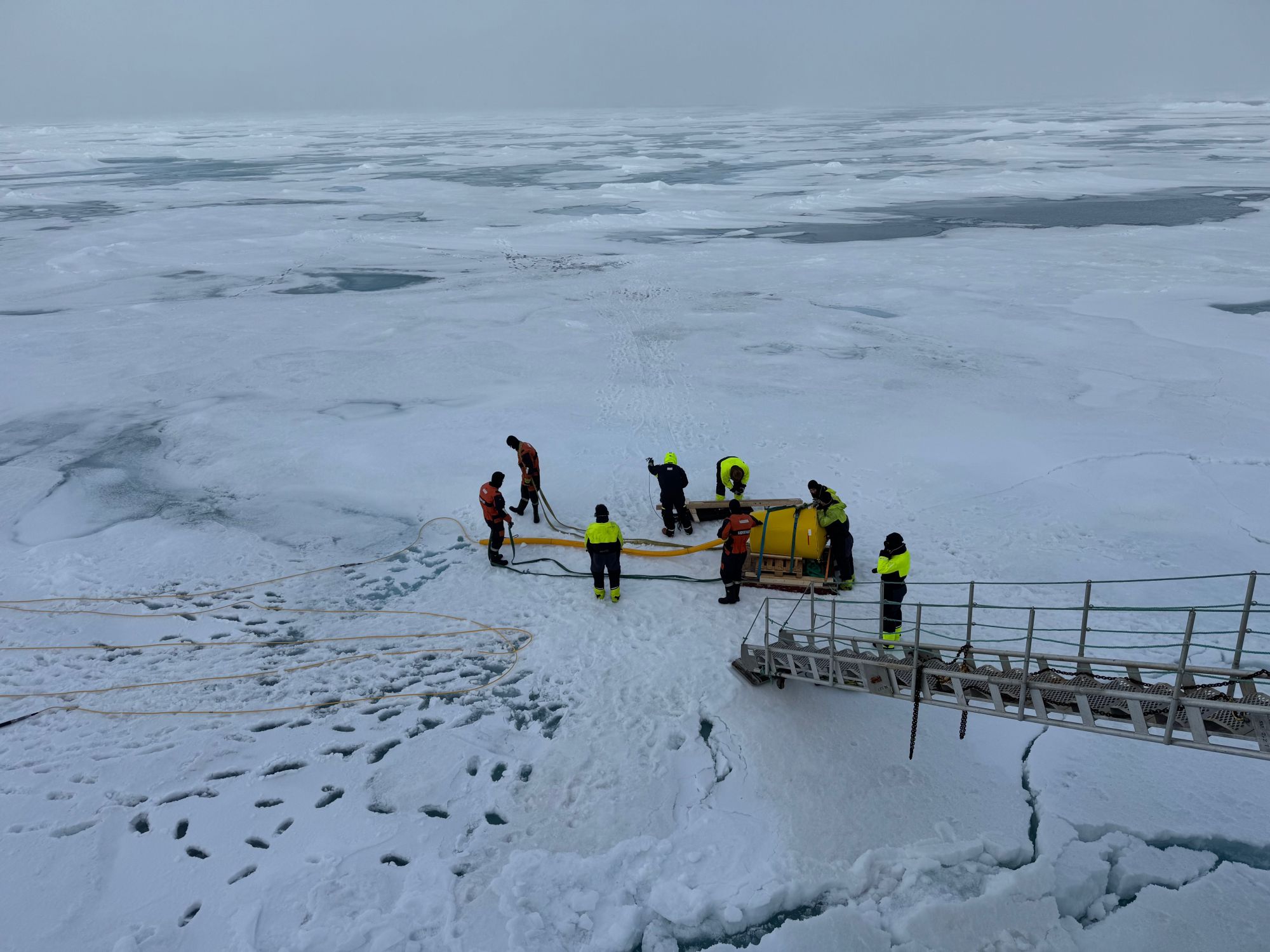
After almost a year drifting with the Arctic sea ice—and months after it had stopped transmitting its position—a HiAOOS NAXYS buoy has been successfully recovered, preserving a unique dataset from one of the world’s most challenging environments.
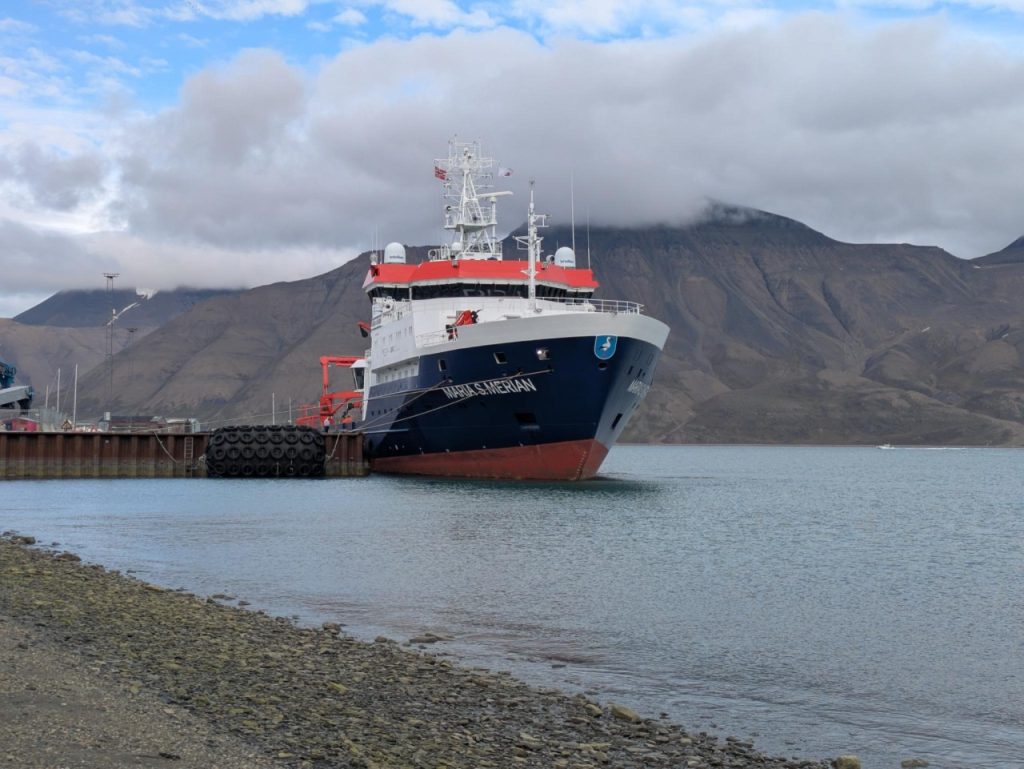
The buoy was retrieved by the German research vessel Maria S. Merian after a dedicated search, marking the successful conclusion of an ambitious recovery effort. Although the underwater listening array was no longer attached to the buoy, the recorded data had been safely stored within the surface buoy, ensuring that the valuable observations collected during the deployment were not lost.
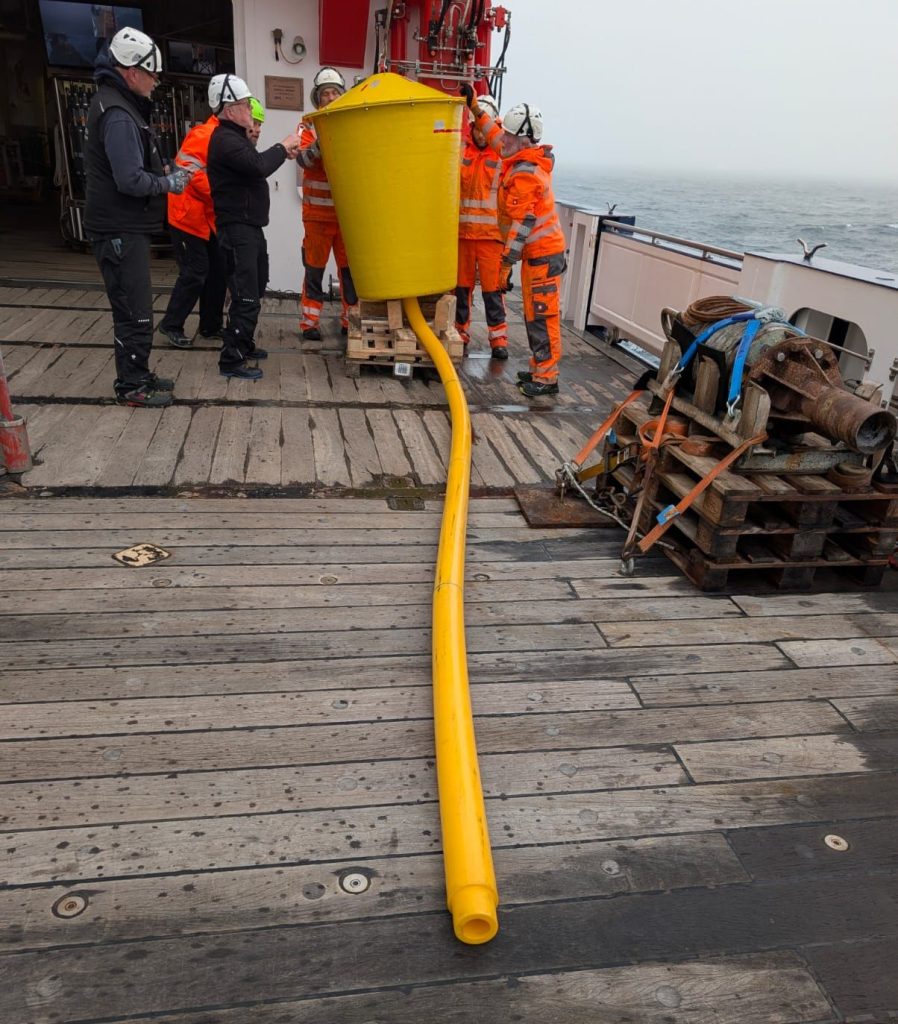
The NAXYS buoy had been deployed on 7 August 2025 at 87.9°N, 81°E, approximately 350 metres from an International Arctic Buoy Programme (IABP) buoy. Together, the two systems drifted with the sea ice, enabling researchers to monitor the movement of the ice floe while collecting valuable observations in the central Arctic Ocean.
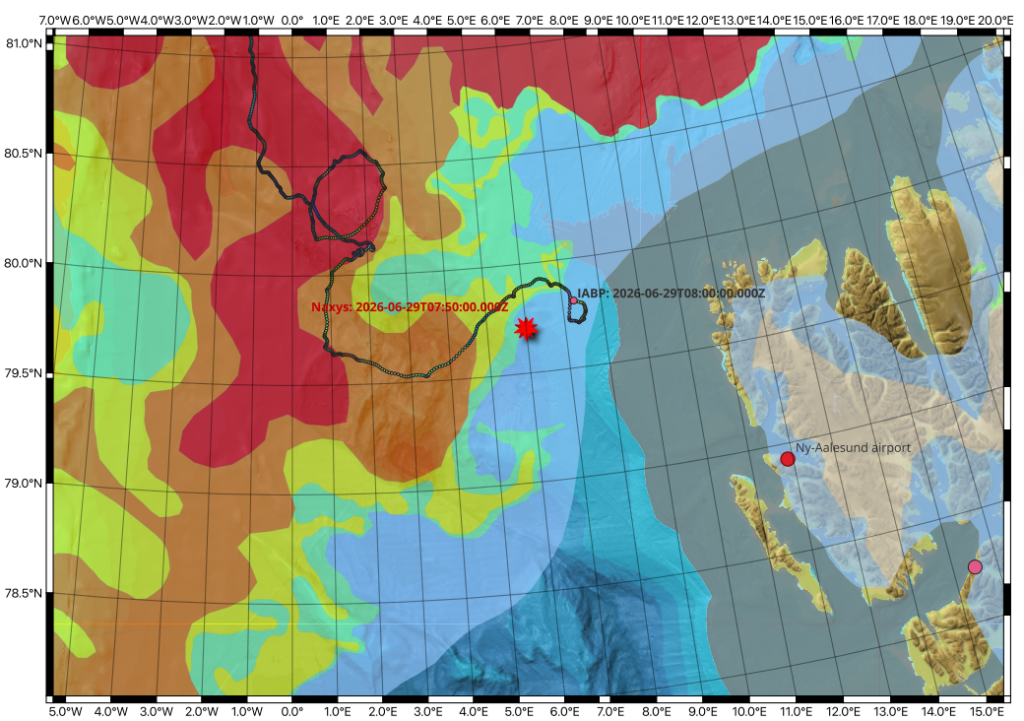
In March, the buoy stopped transmitting its position. While this could easily have marked the end of the mission, researchers continued tracking the drifting ice using the nearby IABP buoy. When the NAXYS buoy became visible again at the end of June, a narrow window of opportunity opened to recover the instrument before it disappeared once more or the ice conditions changed.
Recovering scientific equipment from drifting Arctic sea ice is rarely straightforward. Several recovery options were explored over the following weeks. The Norwegian Coast Guard was unable to assist because no suitable vessels were available in the area at that time. The Norwegian research icebreaker Kronprins Haakon was also contacted but was unable to allocate resources owing to the buoy’s position. Later, the German icebreaker Polarstern also planned a recovery attempt, but the buoy drifted beyond reach before the operation could begin. Rather than marking the end of the search, it opened the door to a new opportunity: the Polarstern team, specifically Normen Lochthofen, AWI, put HiAOOS in touch with the expedition aboard Maria S. Merian. With ship time available, the vessel departed from Kongsfjorden on a dedicated search, successfully locating and recovering the buoy. The HiAOOS team extends its sincere thanks to Maria S. Merian‘s captain, Marius Kruse, expedition leader Uwe John, AWI, and the crew for making the recovery possible.
The recovered buoy has since been transported by Pole Position Logistics and awaits further inspection and data processing. Beyond the successful retrieval of a valuable scientific instrument, the operation demonstrates the importance of collaboration, persistence and flexibility in Arctic research. Recovering equipment after months of drifting across the Arctic Ocean is never guaranteed, making this outcome a significant achievement for the HiAOOS partnership.
*Cover Photo by Hanne Sagen, NERSC