HiAOOS Underwater Winch Sends First Data from Fram Strait
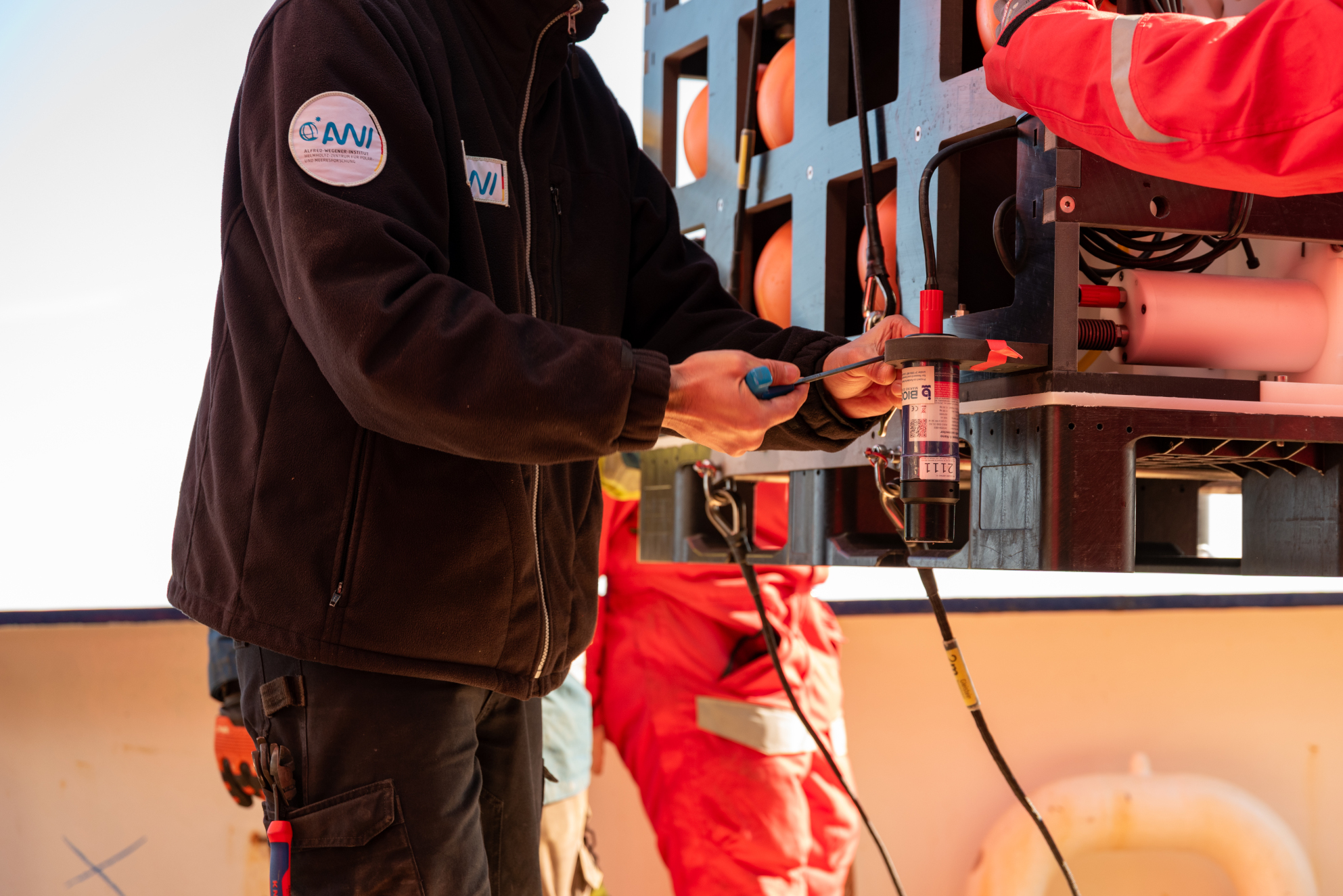
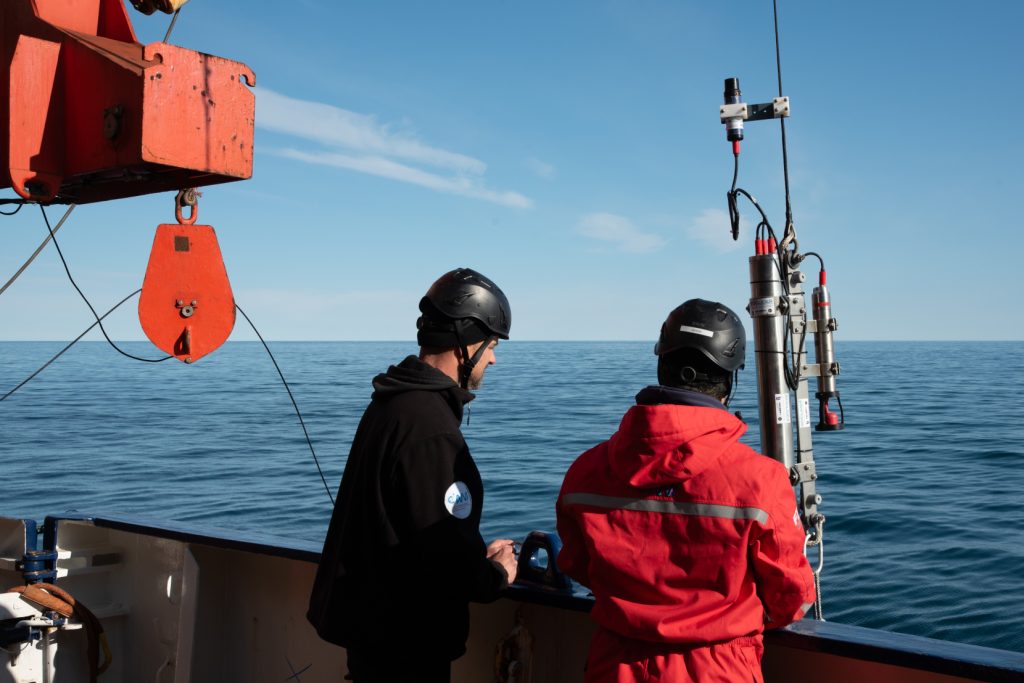
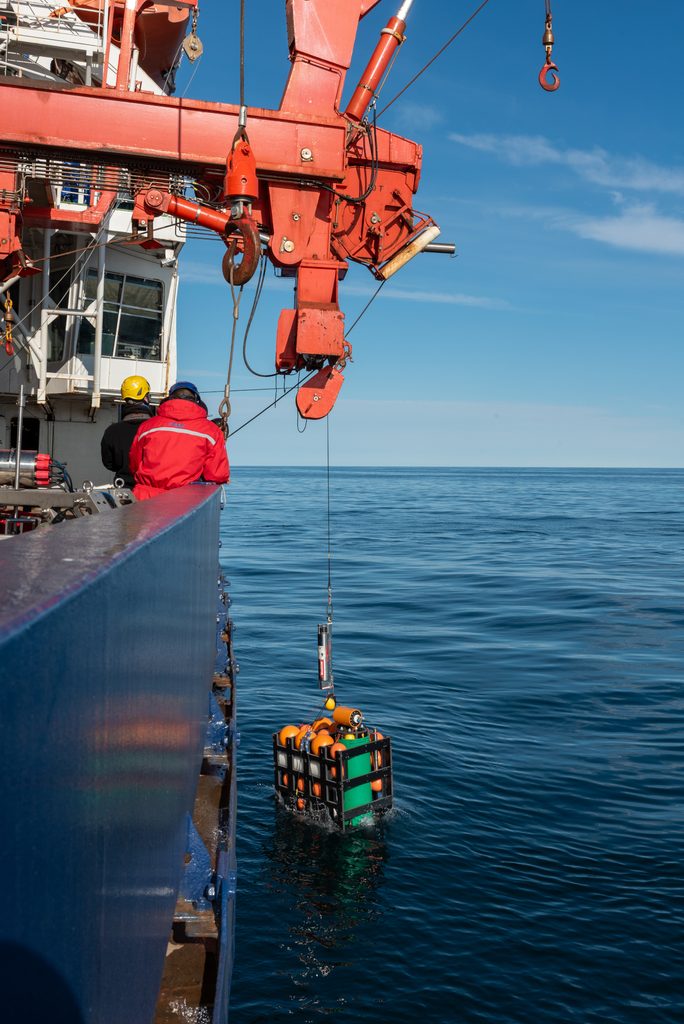
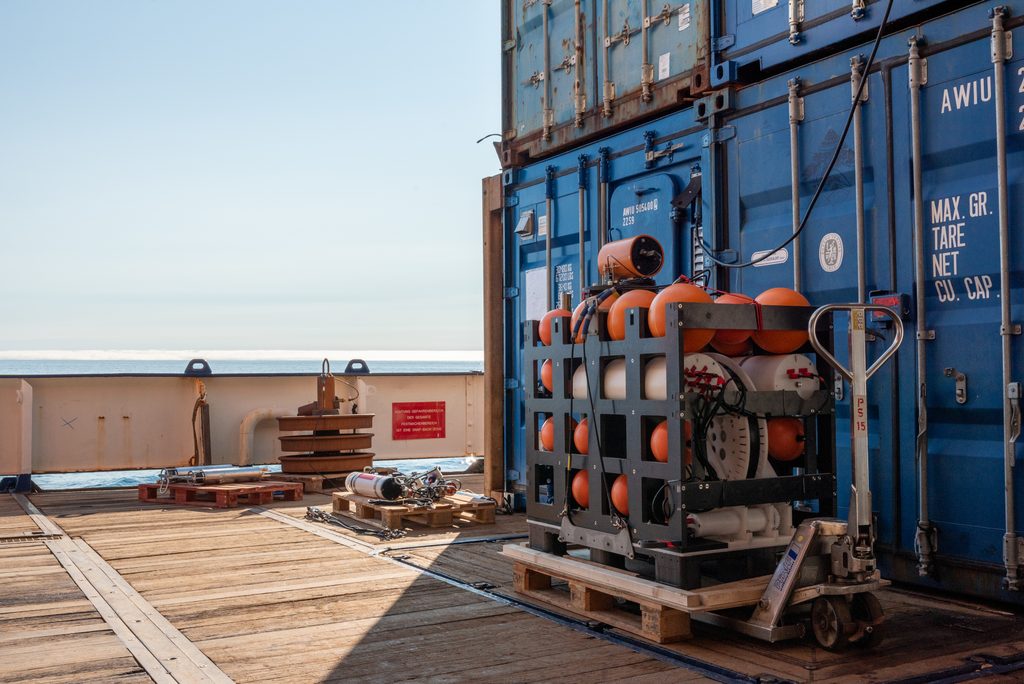
The HiAOOS project has successfully deployed an innovative underwater winch system in the Fram Strait during the Polarstern expedition PS155 in July 2026. The system is designed to collect ocean observations in the upper ocean and transmit data via satellite, providing valuable information from one of the key gateways to the Arctic Ocean. The underwater winch system was developed by Normen Lochthofen (concept, mechanical design, team lead) and Nils Handelmann (electronics and software) as part of the HiAOOS project at the Alfred Wegener Institute (AWI).
The winch began its automated profiling mission in early August and is programmed to collect measurements every four days. When conditions allow, a satellite buoy rises to the surface and sends a subset of the collected data via the Iridium network, enabling near real-time access to observations from this remote region.
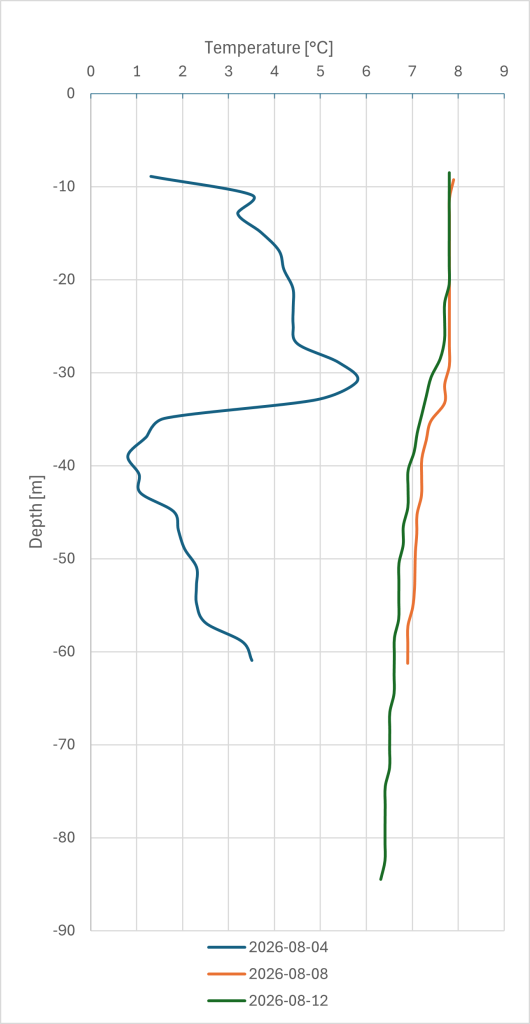
The first transmissions were successfully received in early August, confirming that the system can collect and relay ocean data as intended. Preliminary measurements have already revealed changing ocean conditions and evidence of strong currents influencing the mooring system.
Near real-time data transmission from fixed underwater observing systems remains a major challenge in the Arctic Ocean. Environmental conditions such as strong currents, rough seas, or sea ice can occasionally prevent data transmissions, and technical issues can never be fully ruled out. Although one expected transmission was missed, additional messages have since been received, providing encouraging signs that the system continues to operate.
The deployment represents an important technological achievement for HiAOOS and demonstrates the potential of autonomous observing systems to fill critical gaps in Arctic Ocean monitoring. By providing regular measurements between research cruises, the underwater winch will help improve our understanding of ocean conditions and ongoing environmental change in the Arctic.
The HiAOOS team at AWI is closely monitoring incoming data and looks forward to sharing new results as the mission continues.